Furniture built for one climate does not automatically suit another. Canadian homes put demands on furniture that Mediterranean ones do not — months of dry, heated indoor air, then a humid summer. It is a fair question whether Turkish-made furniture handles that, and the honest answer depends on details worth knowing.
What transfers well
Frame construction. The workshop tradition of glued-and-screwed joinery with corner blocks produces frames that tolerate being moved, sat on heavily and lived with. None of that is climate-dependent — it is simply better building.
Deep, dense seating. Turkish living rooms are used constantly rather than reserved for guests, so seats are built deeper and firmer than the European average. That suits how most Canadian households actually live, particularly through a winter spent largely indoors.
Convertible design. Sofa beds are a mainstream category in Turkey rather than a compromise product, so the mechanisms are properly engineered. For a condo or a house with one spare room, that is genuinely useful.
What to check because of our climate
Kiln-dried timber. This is the important one. Indoor humidity in an Ontario winter can drop very low, and timber that was not properly dried before construction will shrink, which loosens joints and produces creaks. Kiln-dried hardwood is far more stable. Ask specifically — do not assume.
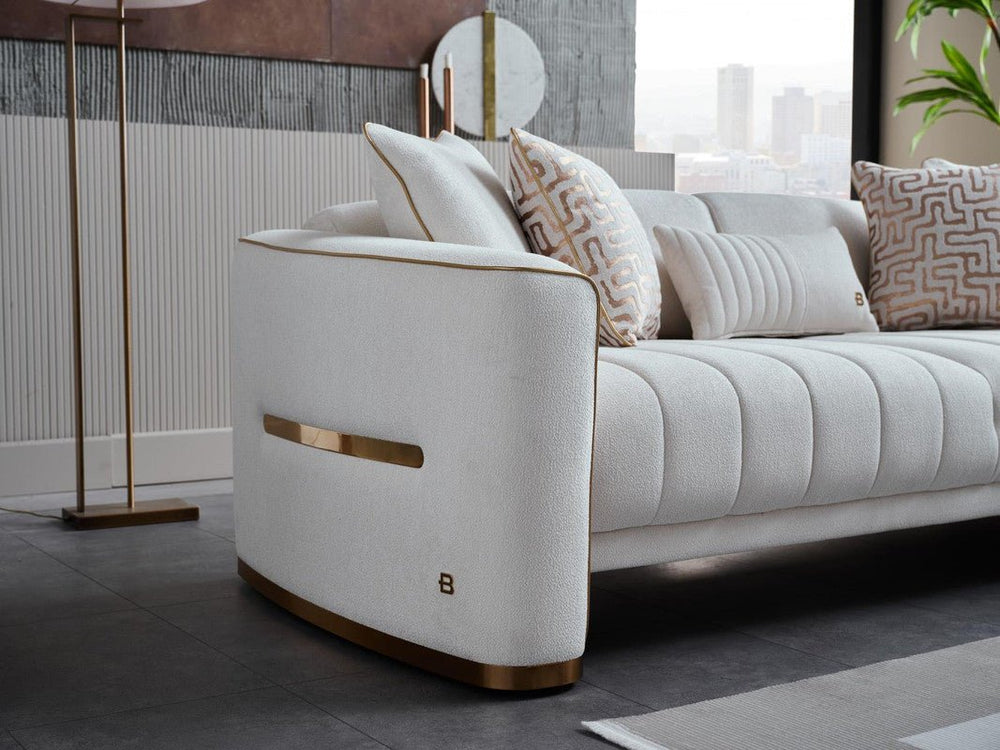
Fabric and dry air. Very dry indoor air makes some synthetic upholstery hold static. Natural-fibre blends and quality performance fabrics behave better through the winter months.
Placement. Whatever the furniture is made of, a sofa pressed against a radiator or a forced-air vent will dry unevenly. Leave a gap. This is true of all furniture, but it matters more with a heating season this long.
Aesthetics that suit the housing stock
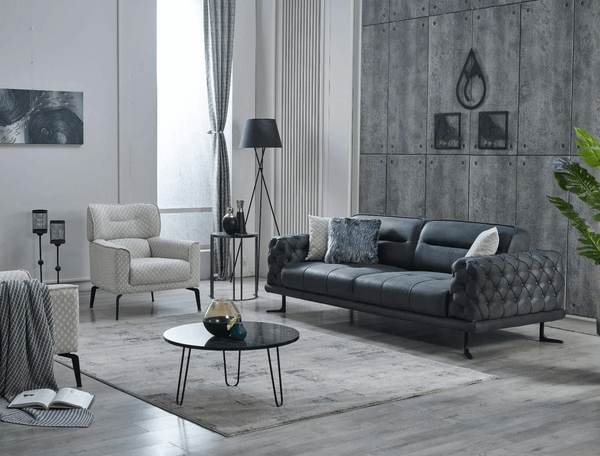
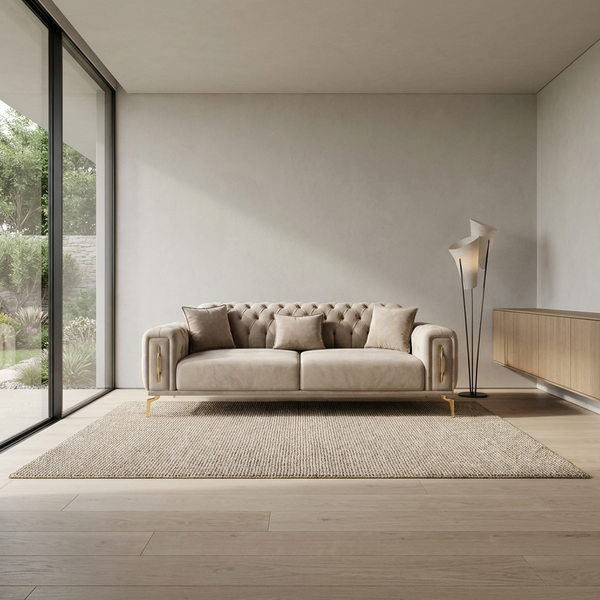
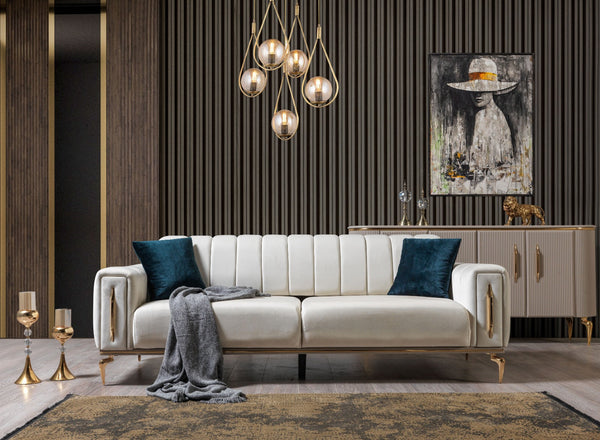
Contemporary Turkish design has moved toward clean lines and neutral upholstery, which sits comfortably in both a century semi and a new-build condo. Two things transfer particularly well to the region's homes: visible legs, which keep sightlines open in the smaller rooms of older houses, and modular sectionals, which adapt to the open-plan layouts in newer builds.
The questions worth asking
- Is the frame kiln-dried hardwood?
- What is the foam density, not just its firmness?
- Is the upholstery a performance fabric, and how is it cleaned?
- What does the warranty cover, and for how long?
- Who handles delivery and assembly?
Any retailer confident in what they sell will answer all five without hedging. You can put them to us at the Kitchener showroom on Victoria Street North, where the full range is on the floor.