Most furniture disappointment is not about style. It is about a piece that looked right in the showroom and gave up eighteen months later. The good news is that durability is largely readable in advance, if you know which three things to check.
1. The frame decides the lifespan
Everything else can be repaired or replaced. A failed frame usually ends the piece. What to look for:
- Kiln-dried hardwood over softwood or particleboard. Ask — a shop that builds well will tell you readily.
- Joinery that is glued and screwed, ideally with corner blocks. Staples alone loosen with the flex of daily use.
- No wobble. Lift one front corner a few inches. The opposite corner should follow almost immediately. If it lags and twists, the frame is already flexing.
2. Foam density predicts the sag
Every cushion feels good when new. What separates them is what happens by month six. Density — how much the foam weighs per unit of volume — is the number that matters, and it is independent of firmness. A high-density foam can be soft and still recover.
The showroom test: press your palm into the seat and lift it away. Good foam pushes back and returns to shape almost at once. Cheap foam holds the impression of your hand for a moment. That hesitation is the sag you will be living with.
3. Fabric is where daily life happens
Upholstery takes the abrasion, the spills and the sunlight. A few honest trade-offs:
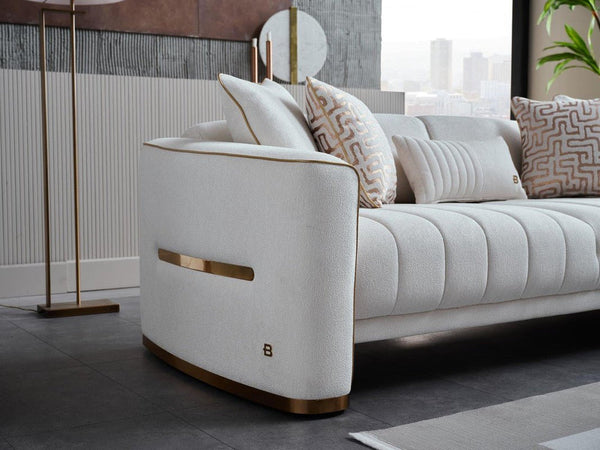
- Tight weaves resist pilling and snagging better than loose, chunky textures — worth knowing if you have a cat.
- Performance fabrics release stains more easily and are genuinely worth it in a household with children.
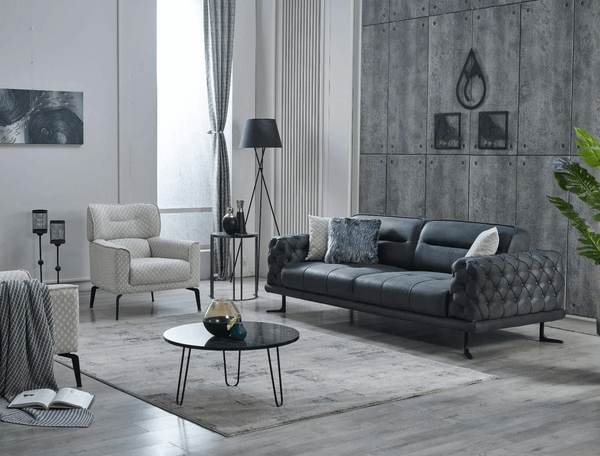
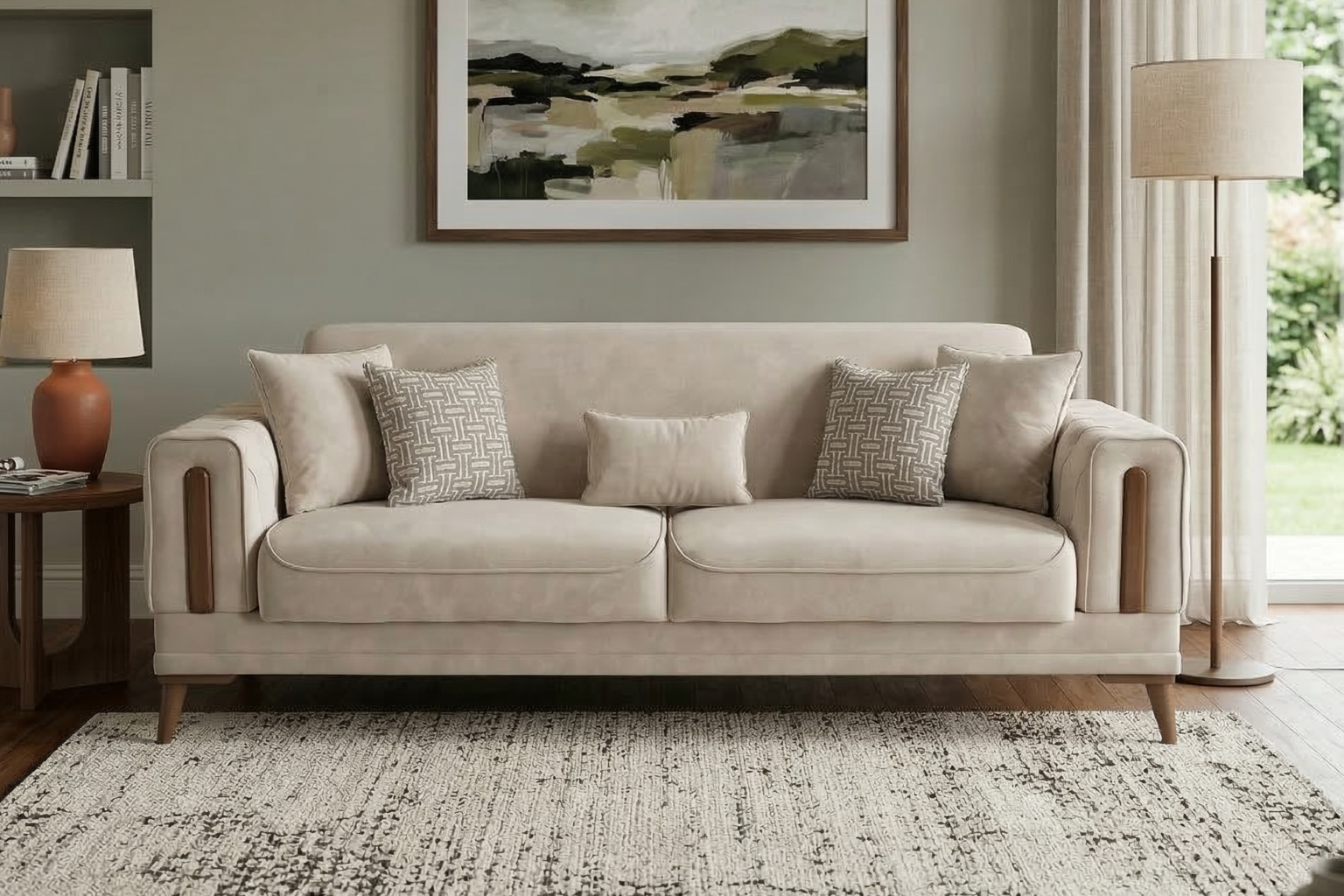
- Mid-tone neutrals hide daily marks far better than either very dark or very pale fabrics, both of which show everything.
Measure before you fall in love
The most common regret is not quality — it is scale. A sofa that is right for the room is one you can actually get into the room. Measure the piece, then measure your doorways, hallway turns, stairwell and elevator. Diagonal clearance through a doorway matters more than the doorway's width.
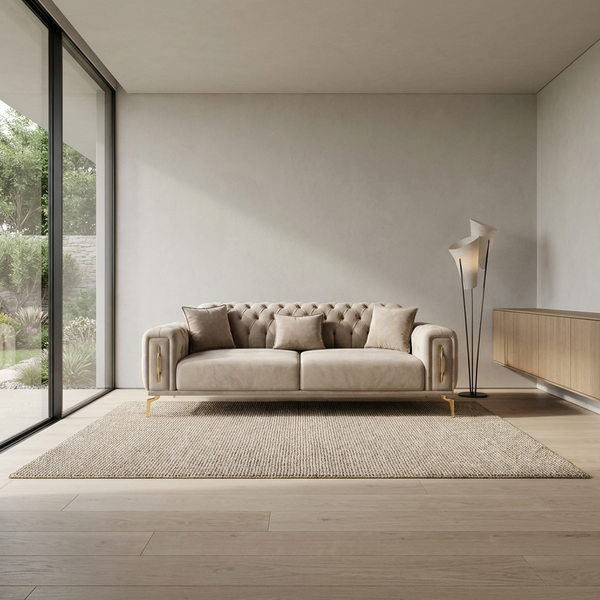
Then measure the wall it will live against, and leave circulation space. A sofa 30 cm too long turns a comfortable room into an obstacle course.
Where the value actually sits
Spend on the pieces that carry daily load — the sofa you sit on every evening, the mattress you sleep on, the dining table that takes homework and meals. Save on the pieces that mostly hold objects: side tables, shelving, decorative items. These are easy to change when taste moves on, and nobody notices their construction.
If you would like a second opinion on scale or fabric for a specific room, bring your measurements to the showroom and we will work through it with you.