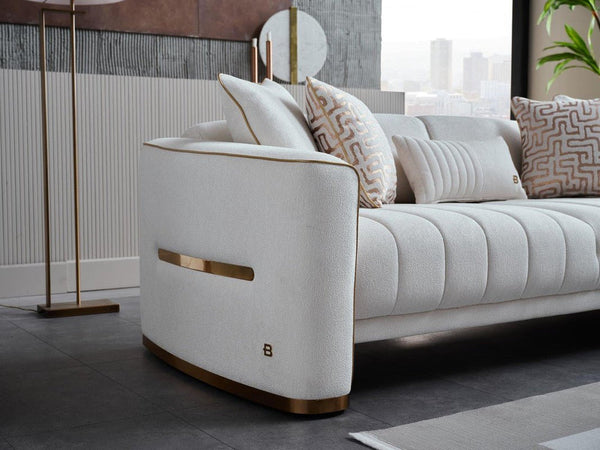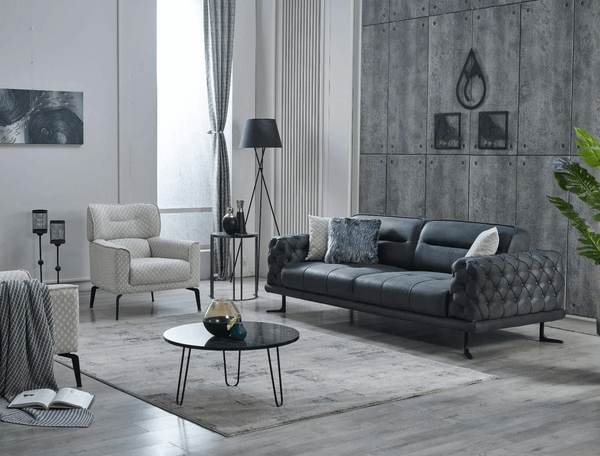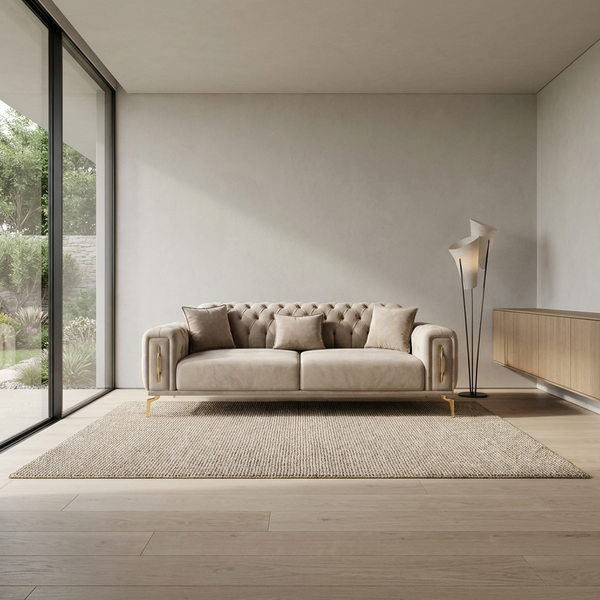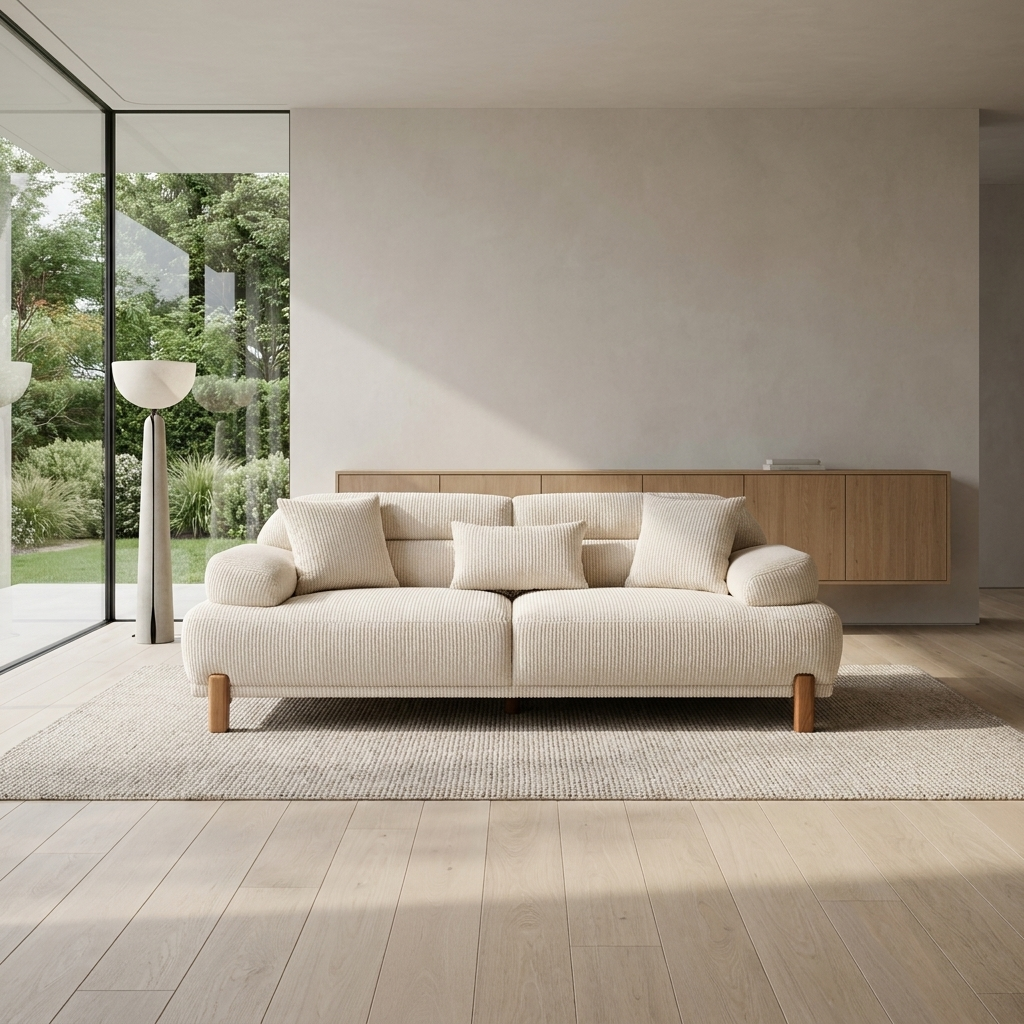
Turkish furniture has a long reputation in Europe and the Middle East, and it is starting to earn one in Canada. The appeal is not decorative flourish — it is construction. Understanding how these pieces are built explains why they tend to outlast the flat-pack alternatives.
A workshop tradition, not an assembly line
Furniture-making in Turkey grew out of small family workshops where frames were cut, joined and upholstered under one roof. That structure survives today in many factories: the person building the frame works a few metres from the person upholstering it. Problems get caught early instead of at the end of a long line.
It shows in the parts you cannot see. Corner blocks, joinery that is glued and screwed rather than stapled, and frames given time to settle before upholstery — none of it is visible in a showroom photo, but all of it decides whether a sofa still sits square after five years.
Built for rooms that get used
Turkish homes tend to treat the living room as the centre of daily life rather than a formal space kept for guests. Sofas are designed accordingly: deeper seats, denser foam, and fabrics chosen to survive daily contact rather than to photograph well once.
The sofa bed tradition is a good example. In much of the Turkish market a sofa is expected to convert, so the mechanisms are engineered as a primary function rather than bolted on. If you have ever wrestled with a convertible sofa that felt like an afterthought, you have felt the difference.
Materials chosen for the long run
- Kiln-dried hardwood frames — dried timber moves far less with humidity swings, which matters in a climate that runs from humid summers to dry, heated winters.
- High-density foam — cheap foam feels identical on day one and noticeably flatter by month six. Density, not initial softness, predicts how a seat ages.
- Tightly woven upholstery — a tighter weave resists pilling and abrasion where arms and cushions take the most contact.
Timeless is a shape, not a trend
The reason these pieces stay relevant is restraint. Clean lines, honest proportions and neutral upholstery survive changes in taste because they were never chasing it. A well-proportioned sofa in a quiet colour will still work when the wall colour around it has changed twice.
That is the practical case for buying well once. A sofa you keep for a decade costs less per year than one you replace twice, and it spares you the disposal problem at the other end.
Judge it in person
Photographs flatten everything that matters here — seat depth, foam resistance, how the fabric actually catches light. Sit on it. Press the cushion and watch how quickly it recovers. Lift one end and feel whether the frame flexes.
Our full range is on the floor at our Kitchener showroom, and you are welcome to take your time with it. Nobody works on commission, so there is no incentive to hurry you toward anything.